Updated:
Bouclé, Evolved: Metallic Threads, Tonal Loops and the “Couture Comfort” Look
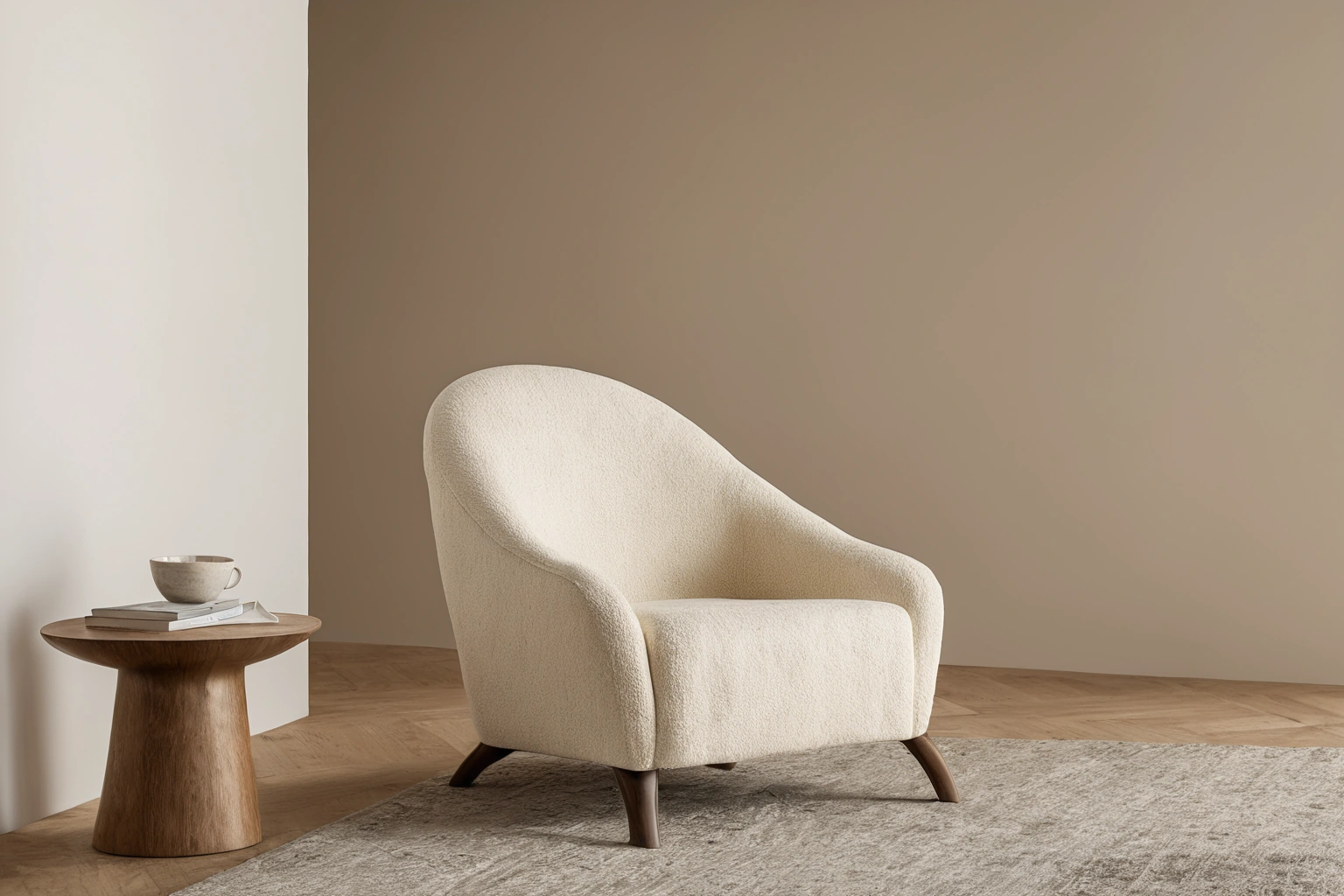
For readers assessing Italian bouclé fabric, the practical question is how the idea performs in a real room, not only how it photographs. Heimtextil ran from 13 to 16 January 2026 in Frankfurt, drawing roughly 3,000 exhibitors and more than 48,000 buyers from 148 nations. Its trend programme with the design platform Alcova, Heimtextil Trends 26/27, “Craft is a verb”, ran six directions. One of them, Crafted Irregularity, asked for knots, visible seams and asymmetries: cloth that shows a hand at work. Six months on, the fabric doing most of that talking in showrooms is bouclé. Its irregularity is no accident of craft. It is a number set on a spinning frame.
The word describes a yarn, not a weave
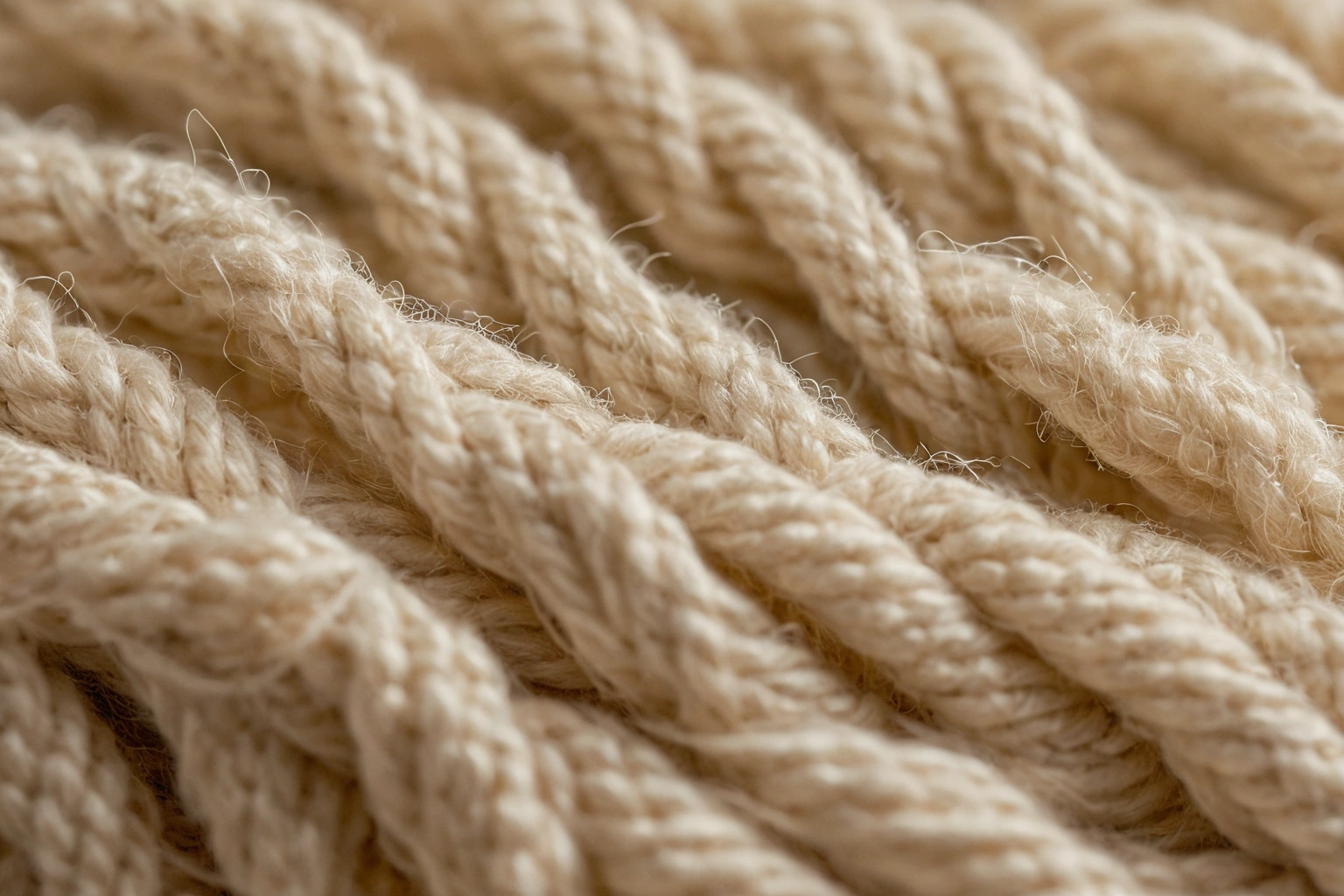
English took bouclé from French, from boucler, to buckle. The grammar matters, because bouclé names a looped yarn, or the fabric woven from it. It does not name a weave; the cloth underneath is often a plain one. You order a yarn, and the yarn brings the texture with it. The Oxford English Dictionary is precise about that yarn: a length of loops of similar size, from tiny circlets to large curls. Loop size is the whole argument: the difference between a cloth that reads as a fine crepe and one that reads as a sheep.
Three yarns, three jobs
Two strands are plied with the tension on one much looser than the other; the loose strand has nowhere to go but outward, and it buckles. Production bouclé runs three components, the structure most complex yarns share, spun in two stages: core and effect twisted first, then the binder added in the opposite direction, cancelling most of the first-stage twist and locking the loops onto the core.
- Core
- The structural strand carrying the yarn’s strength. It decides how the yarn behaves under tension on the loom.
- Effect yarn
- The strand fed in surplus. Its excess length becomes the loops, and the whole visible surface.
- Binder
- A fine strand wrapped over core and effect in reverse, securing the loops. Invisible, and the reason a bouclé holds together.
- Overfeed
- How much faster the effect yarn is delivered than the core. More overfeed, more loop.
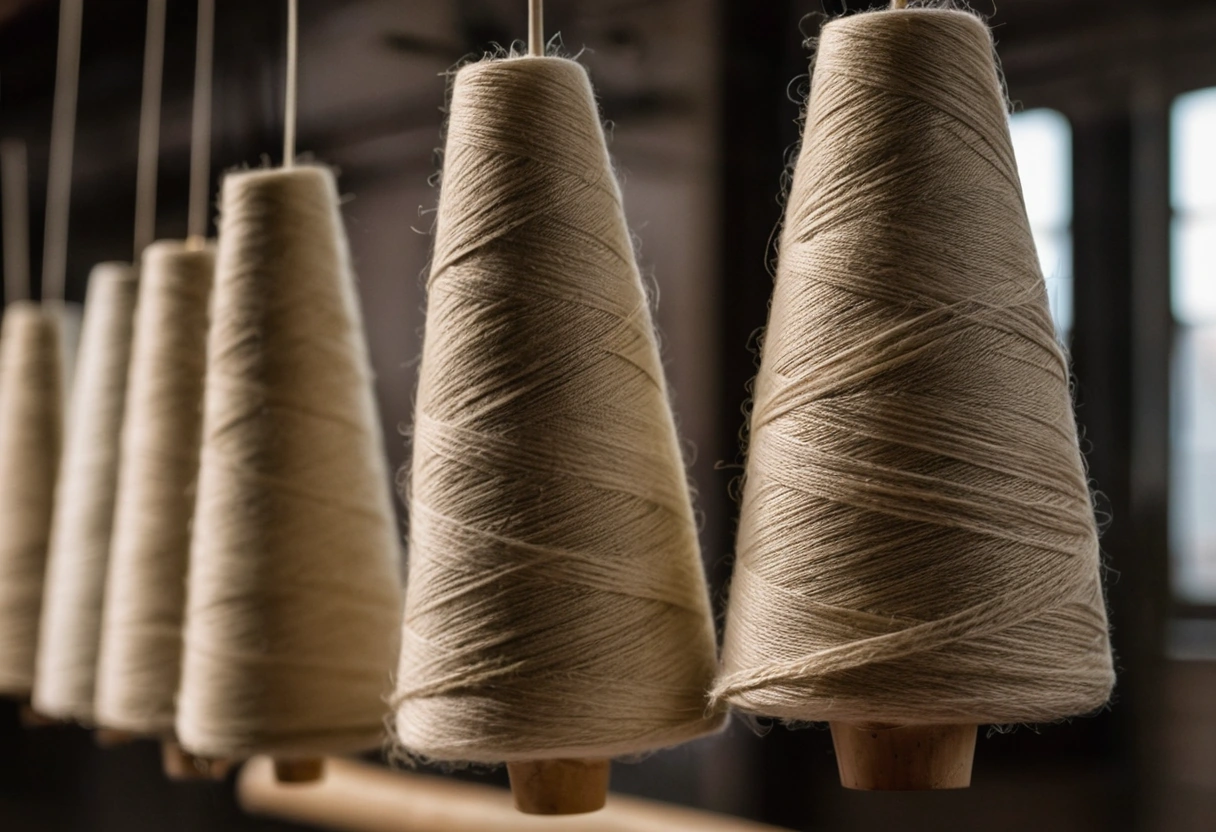
Machine spinning can do it in one step on a hollow spindle, by differing the feed rate of the effect yarn against the core yarns. Loop regularity is set by the distance between the point where the core yarns meet and the guide: increase it and the effect becomes more irregular. Crafted Irregularity asks for the visible evidence of a hand. In a bouclé frame, that evidence is a distance dialled in deliberately. The look is engineered, which is why a mill can repeat it across an order. The wider project context is available from selmacm.org.
Loop size sets the hand, loop density sets the weight, and the regularity everyone reads as “handmade” is a setting on the frame.
Why bouclé snags and pills
A loop is fibre standing away from the yarn axis, anchored at both ends. That is the appeal and the whole problem: it offers an arc for a claw or a zip to hook, and pulling one loop draws length from its neighbours instead of breaking. Pills arrive by a different mechanism. Loose fibres migrate to the surface and abrasion rolls them into bundles, so longer fibres pill less. Then the cruel detail: wool pills and largely stops, because the weak fibres break away, while synthetics keep their pills, because the stronger fibre holds on. A wool bouclé and an acrylic bouclé can look identical on a hanger and age nothing alike. The mitigations all precede weaving:
- Longer staple in the effect yarn, reducing the fibre ends available to migrate.
- Higher twist, holding fibres in the yarn body instead of letting them surface.
- A tighter binder, more wraps per unit length, so loops are held rather than laid on.
- Smaller, denser loops, which give a snag less to catch.
- A woven ground rather than a knitted one; knits pill more because the distances between yarn crossings are greater.
Abrasion is measurable, and the number belongs on the sample card. The Martindale method rubs a sample against a standard abradant under a specified force, counting cycles in intervals of 5,000. In the United States the Wyzenbeek test is often used instead, so two suppliers can quote numbers that do not compare. The publication’s sourcing and review approach is explained in Source & Citation Standards.
| Application | Soft padding | Hard padding |
|---|---|---|
| Private use | 10,000 | 15,000 |
| Office use | 25,000 | 35,000 |
| Public transportation | 30,000 | 40,000 |
| Police and emergency services | 200,000–500,000 may be required | |
What a metallic thread actually adds
The metallic bouclé in furnishing ranges is not metal in the way a buyer imagines. Metallic fibres are made of metal, metallic alloys, plastic-coated metal, metal-coated plastic, or a core completely covered by metal. Historically the thread was a metal strip wrapped around a cotton or silk core. The laminated version seals aluminium between two layers of acetate or polyester film; vaporising the metal onto film instead gives thinner, more flexible, more durable fibre. Lurex, the registered brand name of the Lurex Company, Ltd., is exactly that.
Two things follow. Coating the filament minimises tarnishing, and with suitable adhesives and films the fibre is unaffected by salt water, chlorinated water or climatic conditions, so the dread of a metallic going black belongs to bare metal. The shine is a film too, so its tolerances are the film’s, not aluminium’s: the line on a spec sheet worth reading twice before a fabric meets a steamer. Further examples and planning context appear in About Us.
Tonal loops and the Chanel inheritance
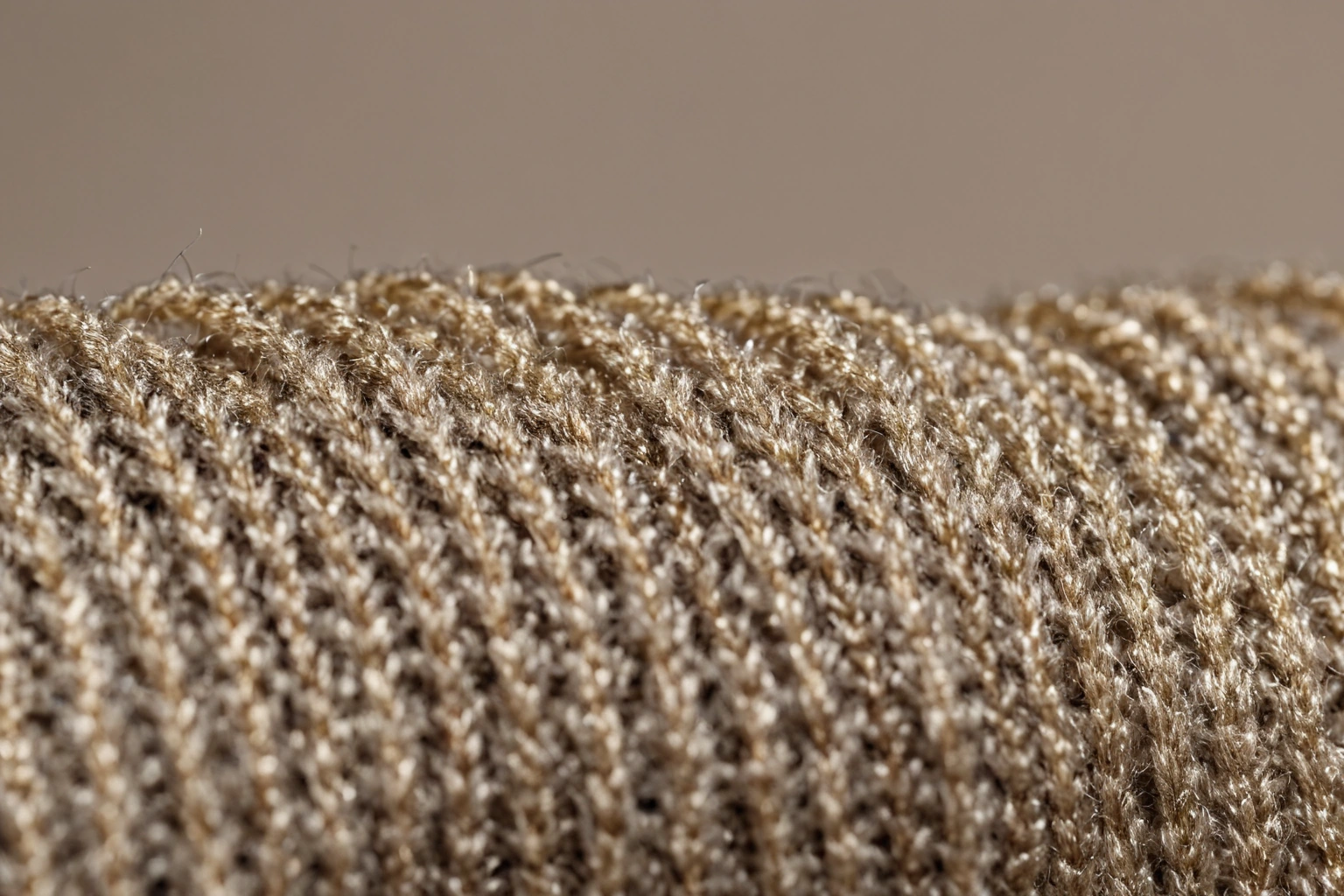
Colour has two settings. Give the effect yarn a different colour from the ground and every loop reads as a dot: a pattern of speckles at two paces, a texture at one. Match them in value and the loops stop reading as pattern. What is left is shadow, which is why a tonal bouclé survives in rooms where a contrast loop would date.
The trade’s shorthand for the bouclé jacket is Chanel, and the association is real. The V&A records that tweed suits first featured in Gabrielle Chanel’s collections in the 1920s, when she moved the cloth from traditional sports and outdoor wear to fashionable daywear, and that after her 1954 return to fashion the suit became synonymous with the house look. The innovation was not a weave. It was a rugged cloth made soft enough to wear all day, and the current work on bouclé is the same task on a sofa. The publication’s sourcing and review approach is explained in Editorial Guidelines.
“Couture comfort” is a specification, not a mood
The phrase asks for a cloth that looks handmade and behaves like a performance textile. Those demands pull in opposite directions, and the resolution happens in the yarn. Ask a supplier of Italian furnishing textiles the construction questions in this order.
- Which fibre, and what staple length, in the effect yarn? This predicts pilling before any test does.
- Loop size and density, and is the irregularity deliberate? Ask which setting produced it.
- Is there a true binder, and how many wraps hold the loops down?
- What is the Martindale figure, and against which padding? A number without its context is decoration.
- If there is a metallic, is it laminated or vaporised film, and what is the care code?
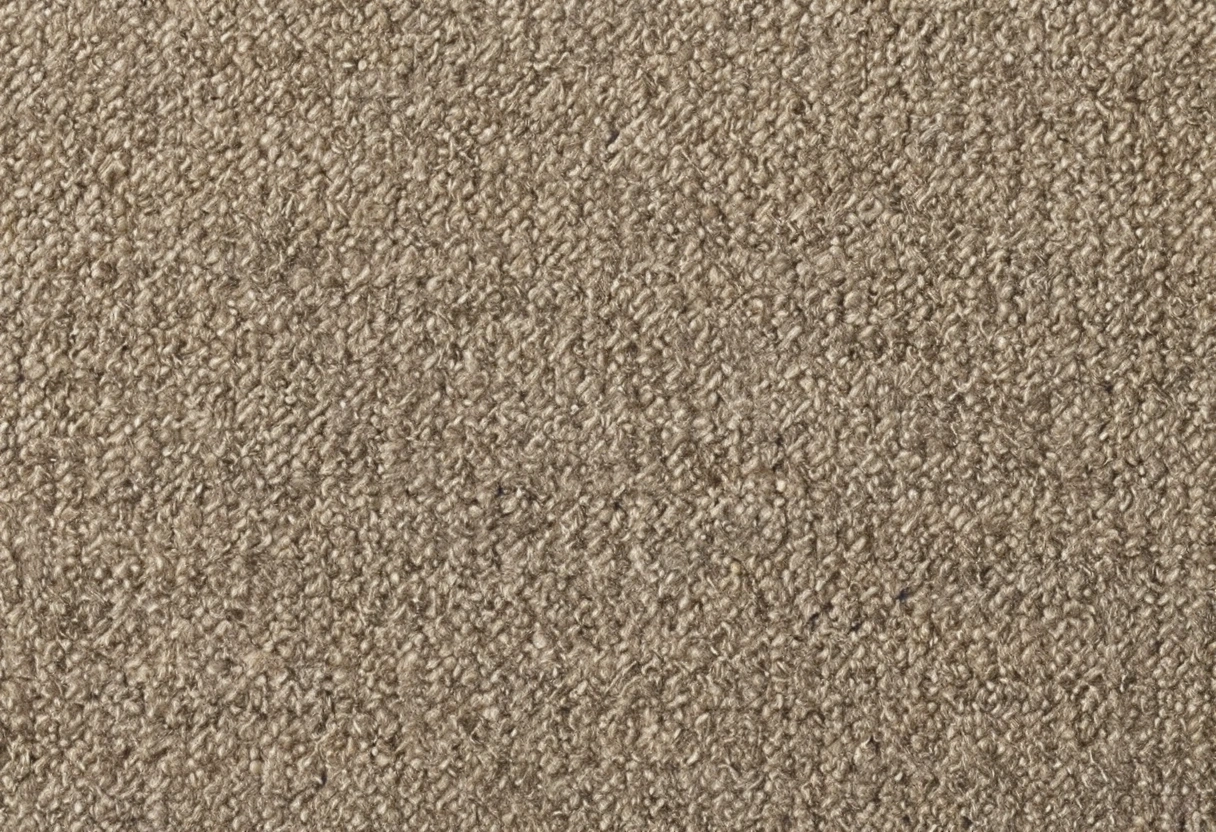
The evolution now under way is not a new look, but a better-built version of an old one. The improved construction combines longer staple, tighter binders, denser loops, film-based metallics that will not tarnish, and test numbers printed on the sample. The cloth that looks most handmade in the room is the cloth engineered most carefully. Buyers should ask what the loop is made of, because the fabric’s answer reveals how long the look will last. Selmac Magazine’s fact-checking process explains the site’s approach to checking technical claims.